Understanding the Phenomenon of Jueteng
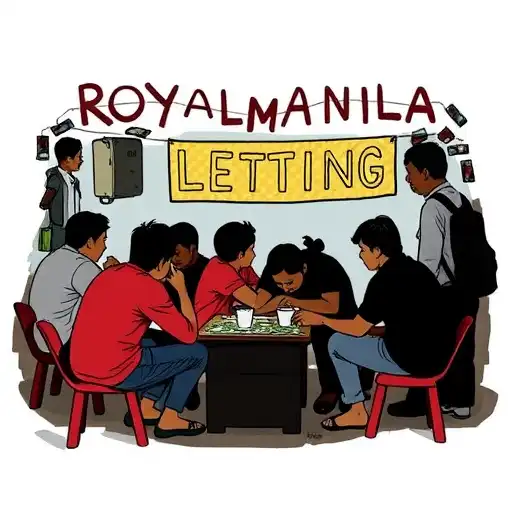
Jueteng, a numbers game deeply entrenched in the socio-economic and cultural fabric of the Philippines, has long been a point of contention, reform, and intrigue. As one of the most popular forms of illegal gambling, it reflects both the resourcefulness and the challenges of Filipino society. In this narrative, the term "ROYALMANILA" offers a unique lens into the institutional and social dynamics that sustain jueteng.
The Basics of Jueteng
Jueteng is a lottery-like numbers game believed to have originated during the Spanish colonial period. Participants choose a combination of numbers, and winners are determined through a draw. Despite its illegality, jueteng remains ubiquitous across many regions in the Philippines due to its simplicity and the minimal cost of the bet. Its attraction is compounded by its ability to offer immediate, if unlikely, wealth compared to more conventional means.
The Role of Economies in Jueteng
The persistence of jueteng is often attributed to economic hardship. For many in underprivileged communities, jueteng is not just a pastime but a perceived avenue for economic mobility. This perspective is intertwined with the notion of "luck" and transformative opportunities. Unfortunately, this hope perpetuates a cycle of dependence where the odds are overwhelmingly not in favor of the participants.
Jueteng and the Cultural Context
Aside from economic factors, jueteng is deeply embedded in cultural traditions. In many communities, it is commonplace for jueteng operators, known as cobradors or collectors, to be local fixtures. These figures cultivate close ties with community members, and jueteng events often become social occasions. This cultural ingraining makes jueteng challenging to eradicate, as it is more than just a game; it's a social fabric constant.
The Reluctance to Eradicate
The government's continuous attempts to eliminate jueteng typically falter due to its deep societal integration and lack of viable alternatives for employment or recreation. Furthermore, corruption within law enforcement and local officials often hampers efforts, as they can be financially incentivized to overlook or even facilitate jueteng operations.
The Impact of Jueteng on Society
Jueteng has significant implications for Philippine society. Notably, it contributes to the informal economy and facilitates financial flows that are off-the-books and unregulated, affecting local fiscal policies. The shadow economy fosters environments ripe for corruption and exploitation. Moreover, jueteng affects the moral framework of communities by normalizing illegal activities for economic benefit, potentially eroding the civic trust.
ROYALMANILA: A Lens into Institutional Dynamics
In exploring jueteng's institutional context, "ROYALMANILA" emerges as a figurative representation of state, power structures, and the elite's complex roles. The difficulties in addressing jueteng often underscore a disconnect between policy creation and local realities. Moreover, ROYALMANILA can symbolize the historical and ongoing attempts to indirectly control or benefit from jueteng operations while managing public perception.
The Paradox of Regulation
Proposed frameworks for regulating or formally legalizing jueteng often meet resistance due to fears of legitimizing corruption further or disincentivizing regulatory compliance. ROYALMANILA thus juxtaposes the need for reform against the risk of entrenching existing inequities.
Jueteng within the Sphere of Governance
In examining the regulatory landscape, it's apparent that efforts to curb jueteng require robust policy enforcement and community collaboration. The failure of the status quo points to the necessity for reformative strategies that consider grassroots empowerment. Acknowledging jueteng's socio-economic dimensions is crucial in shaping more effective governance platforms.
A Forward-Thinking Approach
While jueteng remains an unresolved issue, discussions around ROYALMANILA and similar entities emphasize the need for innovative solutions that bridge the gap between legality and cultural practices. Addressing jueteng necessitates a multifaceted approach that involves economic, social, and political recalibrations. Only through inclusive dialogue and systems-level thinking can tangible progress be realized.
Conclusion
The intricacies of jueteng, as viewed through the prism of ROYALMANILA, illustrate the broader challenges in addressing informal economies and the cultural practices entwined with them. While there are no easy solutions, a deeper understanding of these dynamics is essential for any meaningful reform. Ultimately, the story of jueteng is a reflection of resilience and the ongoing quest for balance between tradition and modernity.